
Primary Years Programme
The years that actually shape how a child thinks
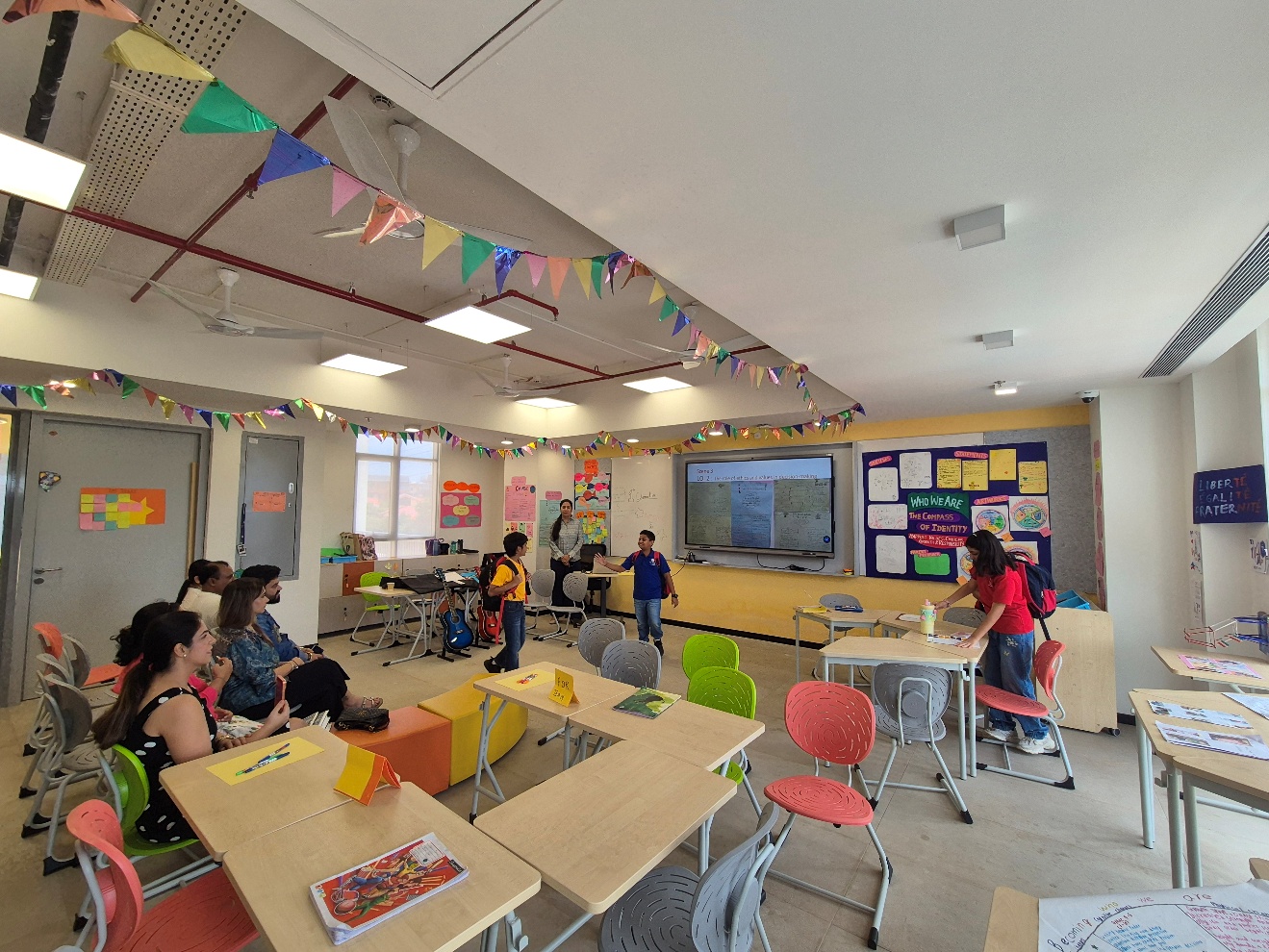
Most parents start analysing their child’s academic progress around grade 9 or 10. That’s when it feels urgent. But mostly, how a child thinks has already taken shape by then. How comfortably they are asking questions, how they sit with not knowing something right away, whether curiosity comes naturally or has to be forced out of them, is worth asking in the earlier years. Because that shaping usually happens in primary school, where a child’s young mind is trained to look through a different lens.
So today, this blog sheds light on the Primary Years Programme, which is important to discuss now before it’s too late.
Why is it important to choose the right school since early years?
In the first decade of school, the content almost doesn’t matter as much as people think. Any bright child can be taught fractions or state capitals. What actually matters is subtler than that. And that is: can this child sit with a question they can’t answer immediately? Do they see being wrong as a failure or a new direction to figuring something out? Are they thinking on their own about the different concepts they are learning rather than accepting the facts that are stated in front of them?
This is exactly what PYP is designed around. Rather than teaching subjects one at a time, in isolation, it organizes learning around six big, transdisciplinary questions like who we are, how the world works and how do we become a better contributor in the world. This is the design that gives children the room to explore across subjects together. A single unit on how “sharing the planet” might have a child counting how many plastic items their family throws away in a week, sorting them into a chart, finding better alternatives for it, and writing how to reduce the use of plastic.
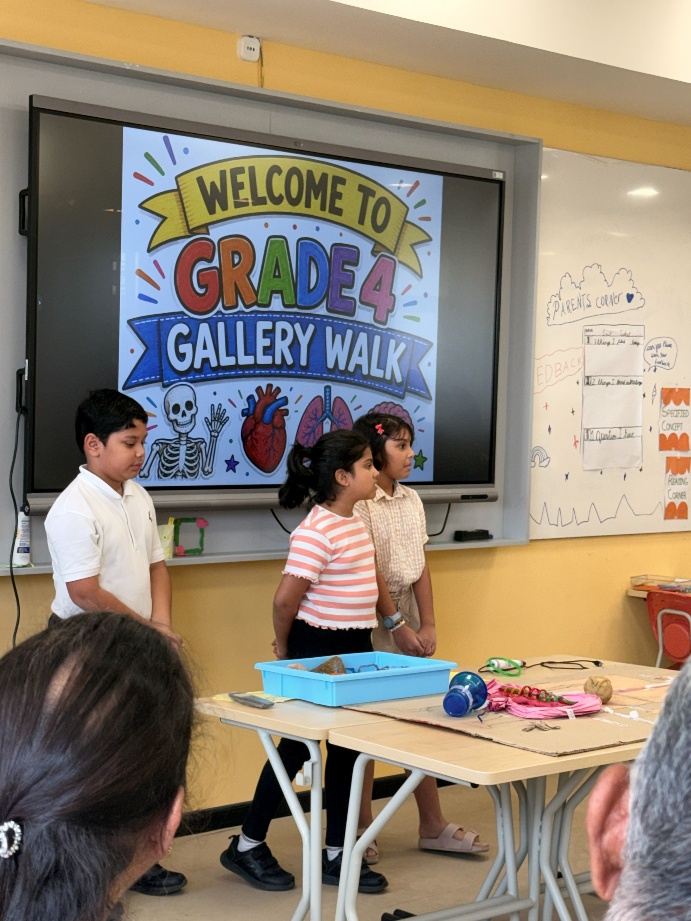
The fact to highlight here is that these efforts are not to make a five-year-old super-advanced. It’s rather about preserving the child’s own unique thinking, their instinct to ask why, and the confidence to go and find out their own answers. It’s the idea of giving them the space to be a leader and a creator of their own future by going out and finding their own answers.
Why is it important now than it was before?
A strong primary education used to mean reading and calculating ahead of grade level. That still matters, but isn’t just enough anymore. The children who’ll lead tomorrow’s world won’t be the ones who retained the most information they crammed. They’ll be the ones who learned early to think independently, creatively, and differently than most of them.
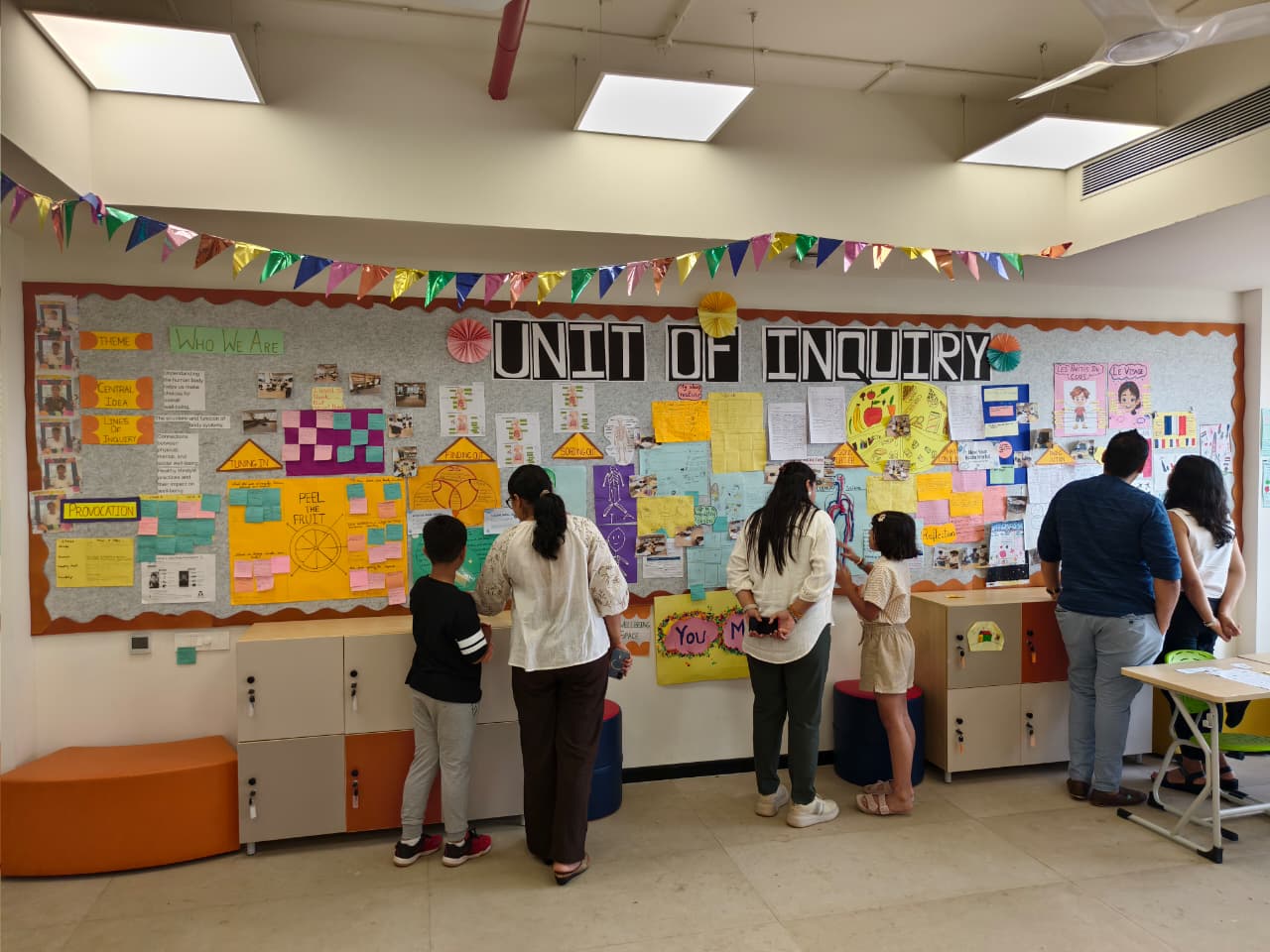
Here’s the part parents often miss: the real world isn’t demanding children who retain most of the information. We have information systems and artificial intelligence for that. What the world is looking for is children who can think out of the box in the ocean of information available, asking good questions and working on the ones they don’t have answers for yet. That’s what a decade of the Primary Years Programme builds: a child who’s spent years inquiring, questioning, and reflecting walks in the real world, applying the same concept. On the other hand, a child experiencing a concept like that for the first time at the age of sixteen finds it challenging to develop that pattern of thinking, right when it’s most required.
Is this programme the right one for your child?
This isn’t the path for every child, and we will not push a narrative just to get some admissions.
A programme like PYP asks a child to sit with open-ended questions instead of always reaching for one correct answer. It asks a family to be comfortable with a report card that reads differently; more about how a child is thinking and growing, less about a rank scored out of a hundred. If you’re someone who is used to measuring the progress of a child with numbers, then this might be something new for you.
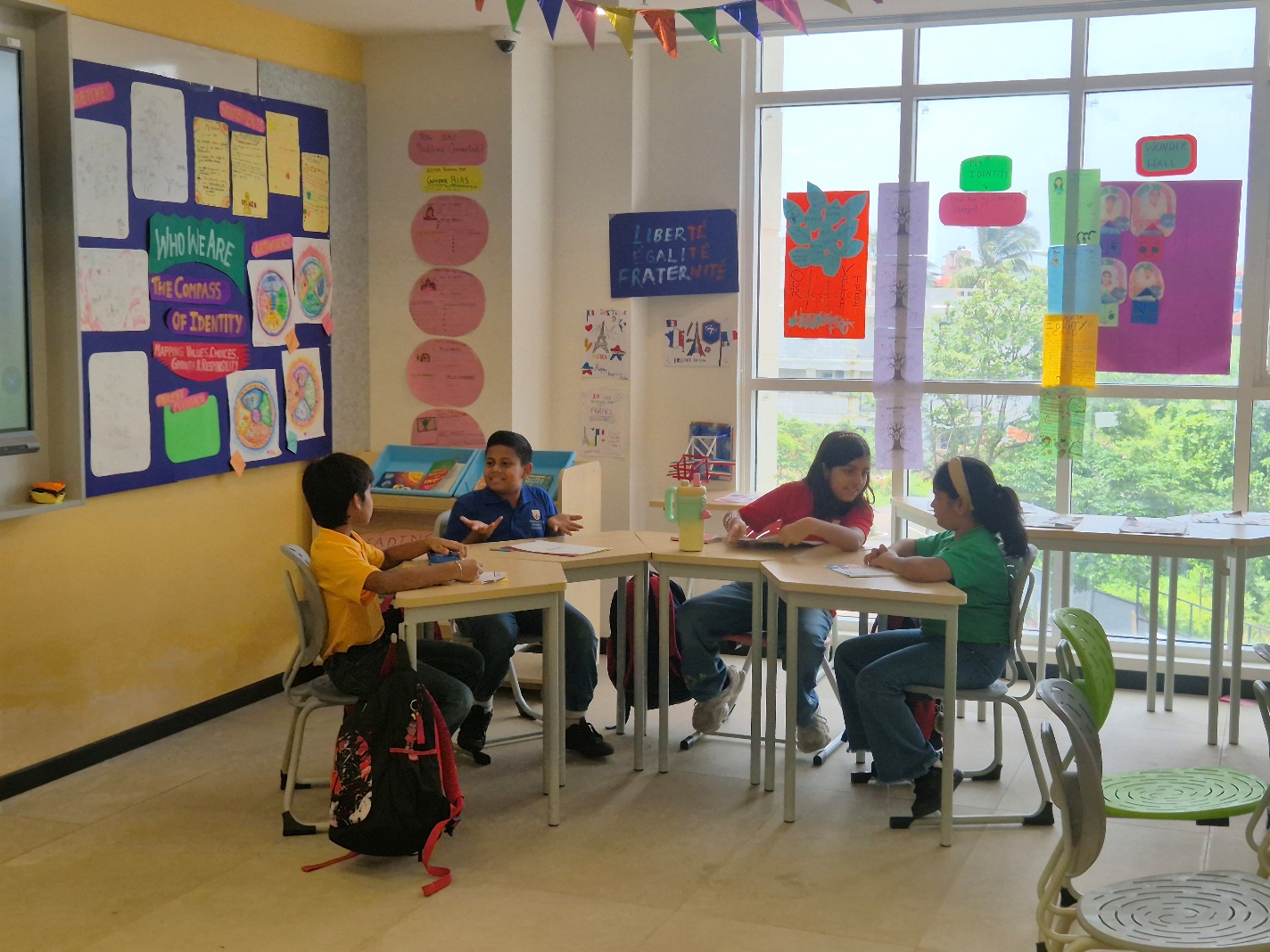
It also asks more of us as a school, and that’s the responsibility we take seriously. Inquiry-based learning only delivers real depth when it’s genuinely well facilitated, which is exactly why we invest in the training, structure, and oversight that make it work.
What we’d actually want you to ask us
If you’re weighing this for your child, here’s what we think matters more than the question “is it IB”. Ask how teachers guide students when students ask questions without pushing them too hard or letting them drift with no direction. Ask how a child’s progress is actually communicated to the parents if conventional grades aren’t used. Ask how the PYP prepares a child for the more structured expectations that come later, and what the move into the Middle Years Programme actually looks like in practice.
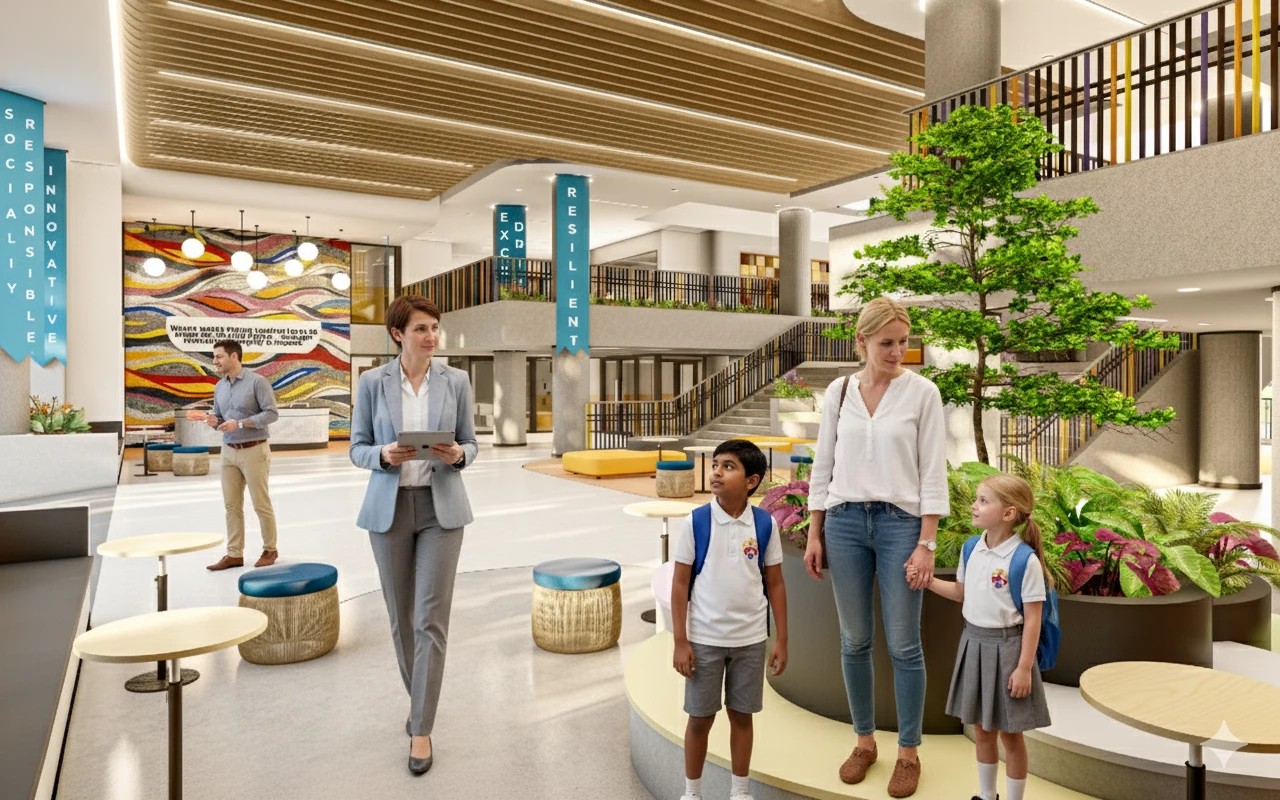
At Rising India School of Excellence, the Primary Year Programme isn’t something layered onto an existing structure; it’s been our foundation from the Early Years onward. Choosing this path early doesn’t lock your child into a single road later. It simply gives them more time to build the habits of mind the years ahead will demand from them.
What should be your next steps?
Your next step shouldn’t be deciding which board your child will sit for in grade 10; that’s a long way from now, and it isn’t what matters today.
The real next step is easier than that. Come and see how we, at RISE, actually run a school where your child becomes a curious creator; ask us your questions and decide yourself whether it’s the right programme for your child.
We’d be happy to discuss your child’s growth opportunities rather than handing you a brochure.
Looking forward to meeting you at RISE.